Mashed Potatoes
Mashed Potatoes
Prep Time: 15 minutes | Cook Time: 20–25 minutes | Total Time: 35–40 minutes
Servings: 4–6
Difficulty: Easy
Estimated Calories per Serving: 210 kcal
Equipment Needed: Medium pot, colander, potato masher (or hand mixer), measuring cups and spoons, large mixing bowl, peeler (optional), small saucepan
Why I Make This Recipe
Mashed potatoes are one of those recipes I keep coming back to because they’re just so reliably comforting. I remember the first time I made them from scratch—I was intimidated by the idea that they had to be “perfectly fluffy,” but I quickly learned that as long as the potatoes are cooked properly and seasoned well, they come together beautifully every time.
This recipe is perfect for weeknights when I want a cozy side that pairs with almost anything—roast chicken, meatloaf, or even a simple vegetable skillet. It’s especially handy for small families or when I’m making a larger dinner and want leftovers that reheat nicely.
Ingredients
- 2 pounds potatoes (Yukon Gold or Russet)
Notes: Yukon Golds give a naturally creamy texture; Russets are starchy and make very fluffy mashed potatoes. Avoid waxy potatoes—they can become gluey. - 4 tablespoons unsalted butter
Substitution: Margarine or plant-based butter works; adjust slightly for salt. - 1/2 cup milk (whole or 2%)
Flexible: Cream, half-and-half, or non-dairy milk (unsweetened) can be used. Warm before adding for smoother potatoes. - Salt, to taste (start with 1 teaspoon)
- Black pepper, to taste
- Optional: 2 tablespoons sour cream or cream cheese for extra creaminess
- Optional garnish: Chopped fresh parsley or chives
Notes on ingredients:
- Butter and milk are essential for flavor and texture; you can slightly reduce butter for a lighter version.
- Fresh herbs are optional, but they add a nice pop of color and flavor.
Step-by-Step Instructions
1. Prepare the potatoes
- Peel the potatoes if desired. Cut into roughly 1–2 inch cubes so they cook evenly.
- Time: 5 minutes
- Visual cue: Pieces should be uniform in size.
- Why it matters: Even pieces cook at the same rate, preventing some from being mushy while others are undercooked.
- Common mistake: Skipping cutting large potatoes—leads to uneven cooking.
Shortcut: Leave the skins on for a rustic mashed potato; just scrub them well.
2. Boil the potatoes
- Place potatoes in a large pot and cover with cold water by an inch. Add 1 teaspoon salt.
- Bring to a boil, then reduce to a simmer. Cook until easily pierced with a fork.
- Time: 15–20 minutes
- Visual cue: Fork slides in with little resistance, potatoes look soft.
- Why it matters: Boiling from cold ensures even cooking inside and out.
- Common mistake: Boiling potatoes too fast—exterior may overcook before inside is tender.
3. Drain and dry
- Drain the cooked potatoes in a colander. Return them to the pot over very low heat for 1–2 minutes to let excess moisture evaporate.
- Visual cue: Steam rising, potatoes feel dry.
- Why it matters: Prevents watery mashed potatoes.
- Common mistake: Skipping this step—results in thin, gluey potatoes.
4. Mash the potatoes
- Add butter and start mashing with a potato masher. Gradually add warm milk, stirring until desired texture.
- Time: 3–5 minutes
- Visual cue: Smooth, creamy, with no large lumps (unless you like a chunkier texture).
- Why it matters: Mashing gradually while adding liquid ensures proper consistency.
- Common mistake: Adding cold milk—it cools the potatoes and makes them stiff.
Shortcut: Use a hand mixer on low speed for quicker, fluffier potatoes. Avoid overmixing—it can become gluey.
5. Season and taste
- Add salt and pepper to taste. Fold in sour cream or cream cheese if using.
- Time: 1–2 minutes
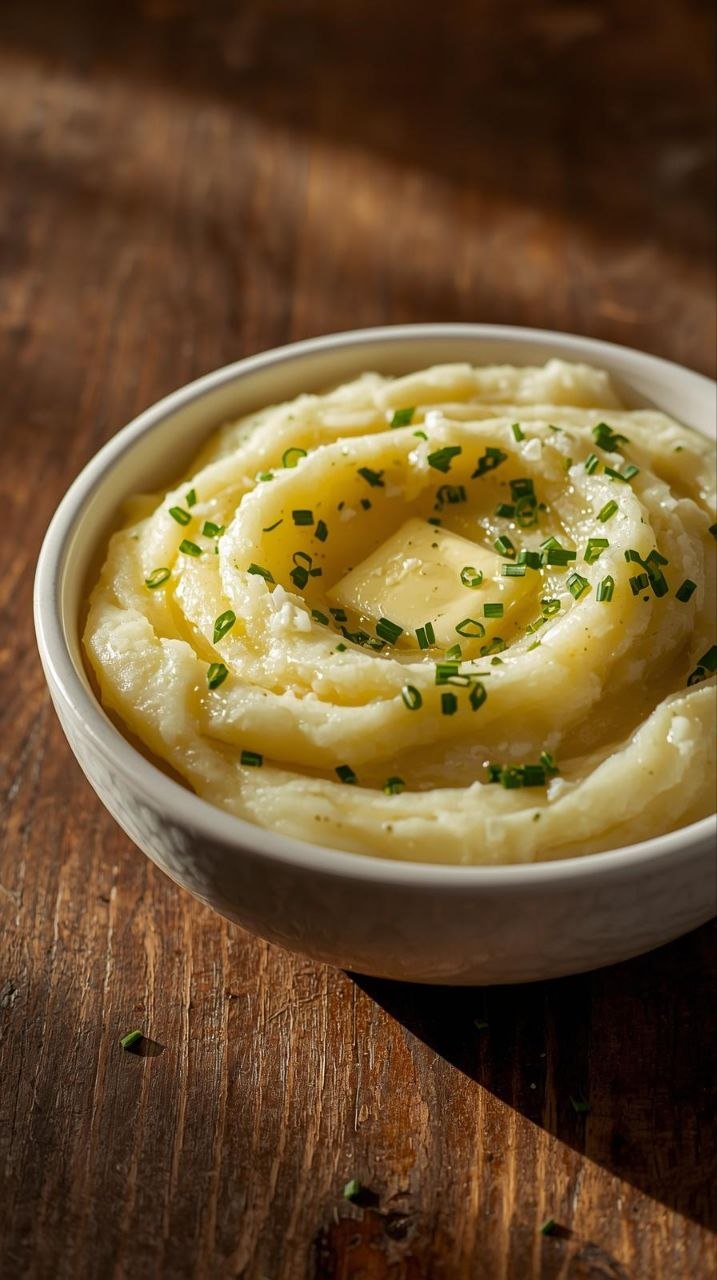
- Visual cue: Velvety, slightly glossy potatoes with even seasoning.
- Why it matters: Proper seasoning transforms plain potatoes into a flavorful side.
- Common mistake: Underseasoning—potatoes taste bland without enough salt.
6. Serve warm
- Transfer to a serving bowl and garnish with herbs if desired. Serve immediately.
Troubleshooting & Common Mistakes
- Potatoes too watery: Drain thoroughly, return to low heat, or add a little more butter/milk.
- Potatoes gluey or sticky: Overmixing is usually the culprit. Mash gently or use a hand masher.
- Undercooked potatoes: Cut evenly and simmer until fork-tender. Larger chunks may need extra cooking.
- Lumpy potatoes: Mash while still hot; if needed, add more milk gradually.
- Bland flavor: Taste before serving; potatoes need enough salt and fat to taste rich.
- Cold mashed potatoes: Serve immediately or keep warm in a covered dish.
- Butter separation: Use room-temperature butter for smooth mixing.
- Milk curdling: Warm milk prevents sudden temperature shock that can make it separate.
Variations & Easy Customizations
- Herb mashed potatoes: Stir in fresh rosemary, thyme, or chives.
- Garlic mashed potatoes: Add roasted or sautéed garlic when mashing.
- Cheesy mashed potatoes: Fold in shredded cheddar, parmesan, or cream cheese.
- Healthier option: Swap half the butter for olive oil and use low-fat milk.
- For busy days: Skip peeling and boil whole small potatoes; mash skin-on.
- Scaling tips: Double ingredients for larger gatherings; cook in batches if needed.
Storage, Leftovers & Reheating
- Fridge: Keep in an airtight container for 3–4 days.
- Freezer: Can freeze for up to 2 months; best slightly under-seasoned to allow adjustment later.
- Texture changes: May become slightly firmer—add warm milk or butter when reheating.
- Reheating: Microwave or stovetop on low heat, stirring occasionally. Cover to retain moisture.
Frequently Asked Questions
1. Can I use red potatoes?
Yes, but they’re waxier and yield a denser, slightly sticky mash. Great for rustic texture.
2. Do I need to peel potatoes?
No, leaving skins on is fine if you scrub well. It adds color and fiber.
3. Can I make mashed potatoes ahead of time?
Yes, make up to a day in advance. Reheat gently, adding milk to restore creaminess.
4. How do I make them extra fluffy?
Use starchy potatoes like Russet, mash while hot, and add warm milk gradually. Avoid overmixing.
5. Can I make dairy-free mashed potatoes?
Absolutely. Use plant-based butter and unsweetened non-dairy milk. Coconut milk adds a subtle richness.
6. Why are my mashed potatoes gummy?
Likely overmixing or using waxy potatoes. Mash gently and stick to starchy types for fluffiness.
7. Can I add flavorings like cheese or herbs?
Yes, fold in at the end to keep textures smooth and flavors fresh.
8. What’s the best potato for a balance of creaminess and flavor?
Yukon Golds—they mash creamy without being gluey and have a naturally buttery flavor.
Final Thoughts
I return to this mashed potato recipe again and again because it’s reliable, forgiving, and comforting. Even on busy nights, it comes together with minimal stress, and it’s easy to adjust for different tastes or dietary needs. Cooking doesn’t have to be perfect—messy mashing, a little extra milk, or leaving the skins on won’t ruin it. The goal is warm, creamy potatoes that bring comfort and a sense of home to the table, every time.