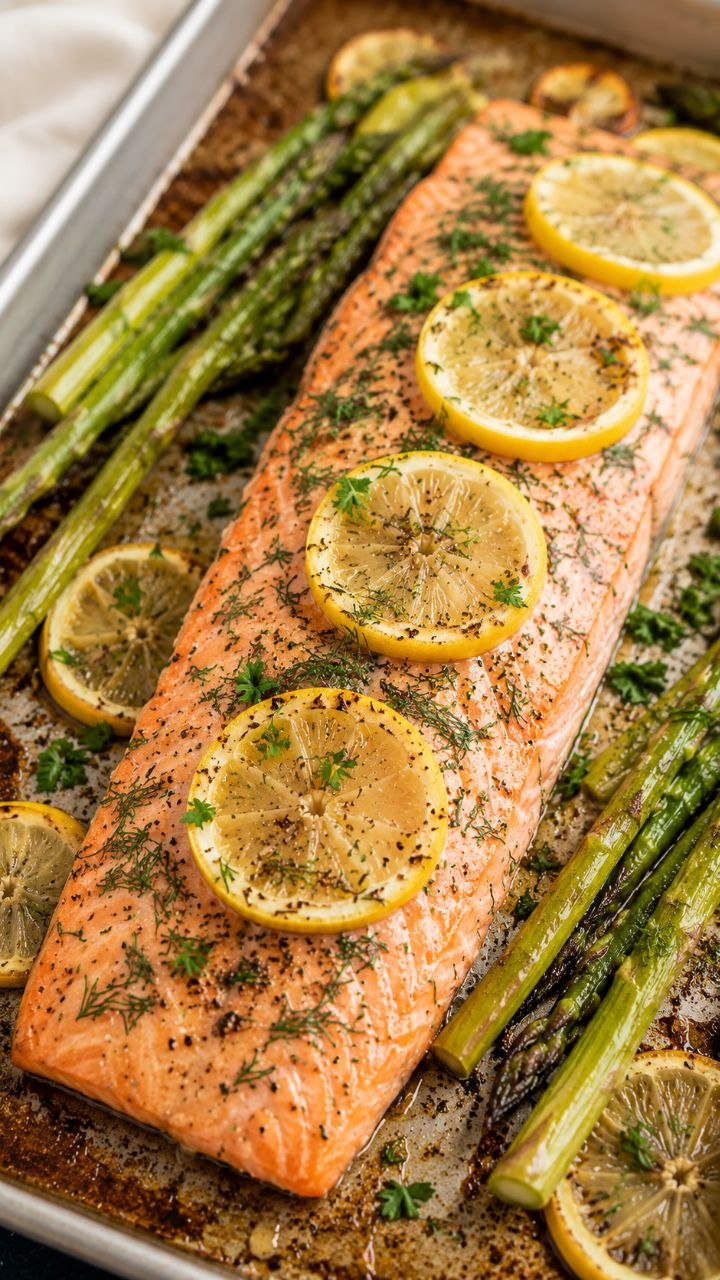
1 Easy Baked Lemon Salmon Recipe: Best Dinner (No Stress)
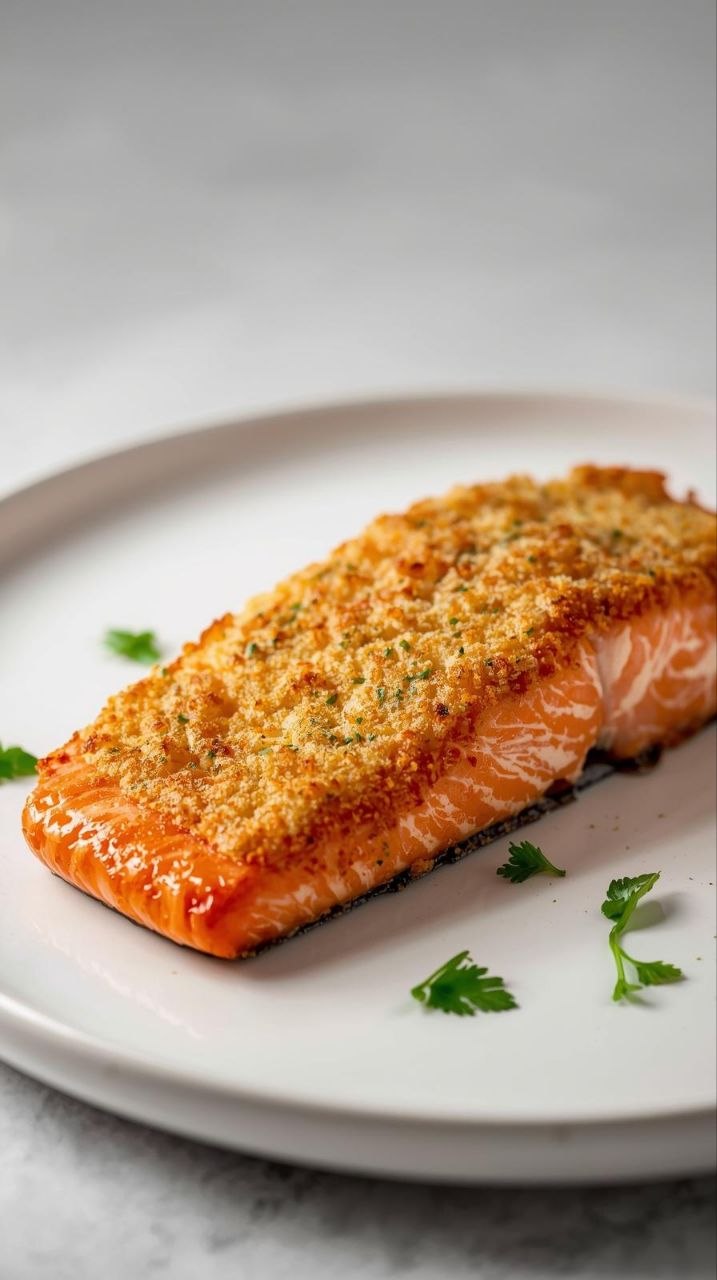
Baked Lemon Salmon with Creamy Dill Sauce
Prep Time: 10 minutes | Cook Time: 20 minutes | Total Time: 30 minutes
Servings: 4 | Difficulty: Easy | Estimated Calories per Serving: 350
Equipment Needed: Baking sheet, parchment paper or foil, small mixing bowl, whisk or fork, sharp knife, cutting board
Why I Make This Recipe
I reach for this baked lemon salmon on busy weeknights when I want something light, flavorful, and almost effortless. The first time I made it, I remember squeezing lemons over the fillets and thinking, why haven’t I done this before? The salmon practically cooks itself, and the creamy dill sauce turns it into a meal that feels a little special without extra fuss.
This recipe is great for small families, anyone cooking for one or two, or even for meal-prepping lunches. Leftovers reheat well, and it pairs nicely with just about any simple side — roasted vegetables, rice, or a fresh salad.
Ingredients
For the Salmon
- 4 salmon fillets (about 6 oz each, skin-on or skinless)
- 2 tablespoons olive oil
- 1 lemon (zested and juiced)
- 1 teaspoon garlic powder (or 2 cloves fresh, minced)
- 1 teaspoon salt
- ½ teaspoon black pepper
- Optional: ½ teaspoon smoked paprika for subtle smokiness
For the Creamy Dill Sauce
- ½ cup plain Greek yogurt or sour cream
- 2 tablespoons mayonnaise (optional, for extra creaminess)
- 1–2 tablespoons fresh dill, finely chopped (or 1 teaspoon dried dill)
- 1 teaspoon lemon juice
- ½ teaspoon honey or maple syrup (balances acidity)
- Salt and pepper, to taste
Notes on Ingredients:
- Salmon: Wild-caught has a richer flavor, but farmed works fine. Skin-on fillets hold together better while baking.
- Lemon: Freshly squeezed juice brightens the fish; bottled juice works in a pinch.
- Dill: Fresh is ideal, but dried works if that’s what you have. Add a little less dried, since it’s more concentrated.
- Yogurt vs sour cream: Yogurt is tangier and lighter; sour cream adds richness. Both are fine.
Step-by-Step Instructions
1. Preheat and Prepare
- Preheat your oven to 400°F (200°C).
- Line a baking sheet with parchment paper or lightly oil a baking dish.
- Why: A hot oven ensures even cooking and a slightly crisped edge, while lining the pan keeps cleanup easy.
- Tip: If your salmon has skin, place skin-side down — it helps hold the fillet together.
2. Season the Salmon
- Pat salmon dry with paper towels. This helps the olive oil and seasonings stick.
- In a small bowl, mix olive oil, lemon zest, garlic, salt, pepper, and optional paprika.
- Rub mixture evenly over salmon fillets.
- Why: Patting dry prevents steaming and gives a better roasted texture. Lemon zest enhances flavor without making the fillet watery.
- Common mistake: Not drying the fish — it can end up soggy on top.
- Shortcut: Skip the paprika for a simpler, faster seasoning.
3. Bake the Salmon
- Place the salmon on the prepared baking sheet.
- Bake for 12–18 minutes, depending on thickness (check at 12 minutes). The salmon is done when it flakes easily with a fork but still looks slightly translucent in the center.
- Visual cue: The edges turn opaque, the center will slightly jiggle when done.
- Why: Overcooking dries salmon; undercooking leaves it too raw. This timing hits a tender, moist texture.
- Tip: If your fillets are uneven, remove thinner pieces a few minutes early.
4. Make the Creamy Dill Sauce
- While the salmon bakes, whisk together yogurt, mayonnaise, dill, lemon juice, honey, salt, and pepper in a small bowl.
- Taste and adjust: more lemon for tang, more honey to balance acidity.
- Why: Making the sauce while the fish bakes keeps everything fresh and avoids extra dishes.
- Shortcut: Use a spoon to quickly mix the ingredients if you’re in a hurry — the sauce doesn’t require perfection.
5. Serve
- Remove salmon from oven and let rest 2–3 minutes.
- Spoon creamy dill sauce over each fillet or serve on the side.
- Optional garnish: a sprinkle of fresh dill or a thin lemon slice.
- Why resting matters: It allows juices to redistribute for moist fillets.
Troubleshooting & Common Mistakes
- Salmon overcooked → Bake in timed increments; check at 12 minutes for average fillets.
- Salmon undercooked → Add 2–3 minutes; avoid high heat to prevent dry edges while center is raw.
- Sauce too tart → Add a touch of honey or mayonnaise.
- Salmon sticks to pan → Always line with parchment or lightly oil.
- Fish tastes bland → Don’t skip lemon zest; it brightens flavor.
- Herbs not flavorful → Use fresh dill if possible; dried should be added sparingly.
- Salmon flakes apart when handling → Use a wide spatula and handle gently.
- Watery sauce → Drain excess liquid from yogurt by stirring or using Greek-style yogurt.
Variations & Easy Customizations
- Seasonal swaps: Try fresh tarragon or parsley instead of dill.
- Protein alternative: Cod, halibut, or trout work similarly.
- Vegetable options: Serve with roasted asparagus, green beans, or sautéed zucchini.
- Spice adjustments: Add red pepper flakes for heat or smoked paprika for depth.
- Simpler version: Skip sauce entirely, squeeze extra lemon over salmon before serving.
- Scaling: Multiply ingredients by the number of servings; bake thicker fillets slightly longer.
Storage, Leftovers & Reheating
- Fridge: Store in airtight container up to 3 days.
- Freezer: Wrap tightly, up to 2 months.
- Texture changes: Reheated salmon is slightly drier; sauce helps retain moisture.
- Reheating: Oven at 300°F for 10–12 minutes or microwave gently (covered) in 30-second bursts.
- Refreshing flavor: Squeeze fresh lemon over salmon before serving.
Frequently Asked Questions
1. Can I use frozen salmon?
Yes, thaw completely before baking for even cooking. Pat dry first.
2. Can I bake salmon with skin on?
Absolutely. The skin helps keep fillets intact and adds flavor. Remove before serving if you prefer.
3. Can I make the dill sauce ahead?
Yes, up to a day in advance. Store in fridge, stir before serving.
4. How do I know salmon is done?
It flakes easily, edges are opaque, center still slightly translucent. Overcooked salmon is dry and chalky.
5. Can I skip the mayo in the sauce?
Yes. Yogurt alone works, though mayo adds richness.
6. What sides go best with this salmon?
Roasted vegetables, rice, quinoa, or a light salad. Even simple steamed broccoli works.
7. How do I make it lower in calories?
Use just yogurt for the sauce, skip the olive oil drizzle if desired, and bake without added fats.
8. Can I make this for a crowd?
Yes, bake multiple sheets at once, but give salmon space on the pan for even cooking.
Final Thoughts
I return to this baked lemon salmon because it’s reliably quick, light, and satisfying. The creamy dill sauce feels a little indulgent without extra effort, and the flavors are bright and fresh — a comforting contrast to heavy weeknight meals. Even if your fillets aren’t perfectly even or the sauce isn’t smooth, it still comes together beautifully.
Cooking doesn’t have to be precise to be satisfying. This is one of those recipes where a gentle hand, a squeeze of lemon, and a little patience yield a meal that’s both comforting and approachable. It’s my go-to when I want dinner on the table with minimal stress and maximum flavor.
If you like, I can also create a fully formatted, mobile-friendly version with bolded headings, bullet lists, and clear visual cues to make it even easier to read while cooking.
Do you want me to do that next?